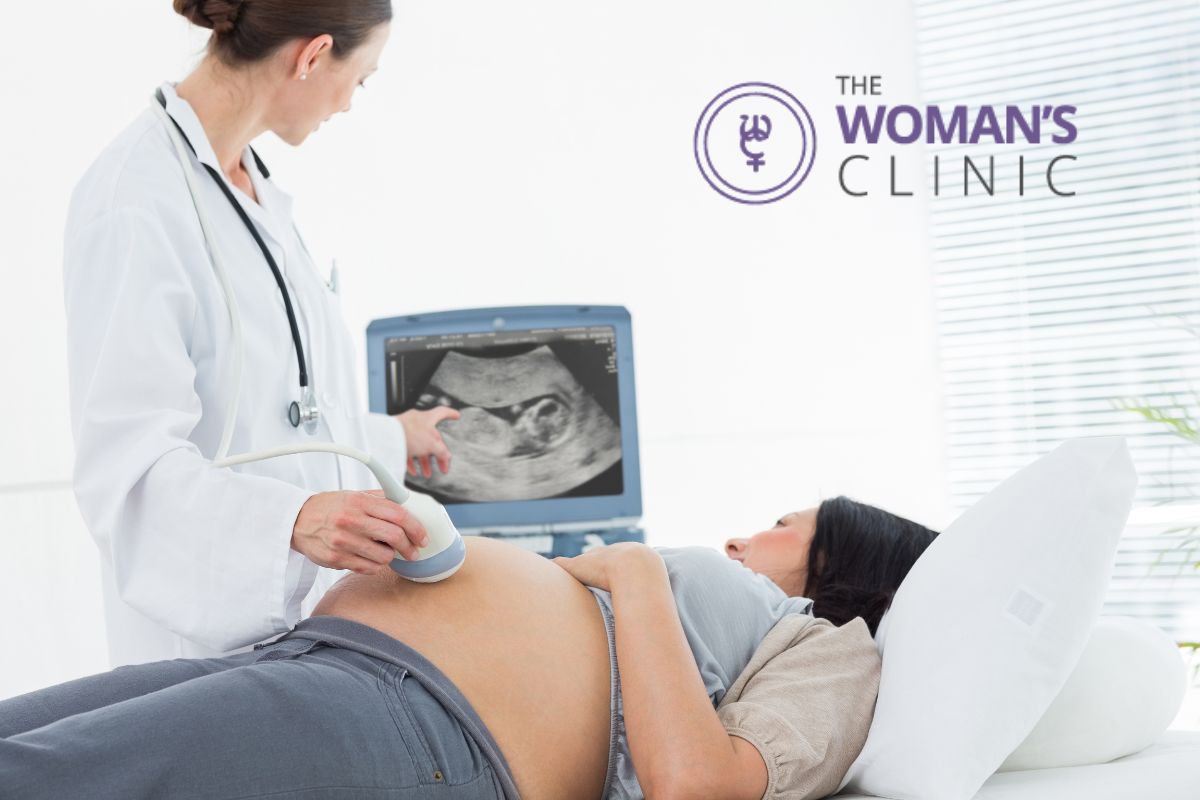
Want to know your baby’s gender as early as possible? You’re not alone. Many expectant parents often ask, “How soon can I find out if it’s a boy or girl?”. It’s normal to be curious, and the answer can depend. Generally, the earliest time to know the gender of your baby depends on your testing method and timing. We'll cover timelines, the conduct of each test, and their overall accuracy, so you can make an informed decision confidently.
Key Takeaways:
- Earliest gender detection: NIPT blood test as early as 10 weeks with 99% accuracy.
- Most accurate timing via ultrasound: 18–22 weeks (anatomy scan); 95–98% accurate.
- Ultrasound detection by week: ~70% accuracy at 12 weeks, ~95% at 14 weeks, ~98% at 16 weeks.
- NIPT purpose: Screens for chromosomal disorders; sex info is extra.
- At-home kits (e.g., SneakPeek): Claim 99% accuracy from 6–8 weeks but risk contamination; not FDA-verified.
- IVF with PGT: Nearly 100% accurate for sex; done before implantation.
- Invasive tests (CVS, amnio): Also nearly 100% but carry miscarriage risk; used for health reasons.
- Early myths (heartbeat, cravings, nub theory): Not scientifically reliable.
- Ultrasound accuracy challenges: Affected by baby’s position, tech skill, and maternal body type.

The Earliest Time to Know Gender: A Complete Guide to Testing Options and Timing
When you're expecting, excitement builds with every milestone—and one of the most thrilling is learning your baby’s sex. But what is the earliest time to know gender, and how accurate are the results? From blood tests to ultrasounds and more advanced medical procedures, there are several ways to find out, each with its own timing and reliability.
Understanding When Gender Can First Be Detected
Although conception determines your baby’s sex, visible signs don’t appear right away. Fortunately, modern science offers several methods to determine gender early in pregnancy. Among these, Non-Invasive Prenatal Testing (NIPT) stands out as the earliest time to know gender, as early as 10 weeks into pregnancy. This simple blood test detects fetal DNA in your bloodstream and provides more than 99% accuracy in identifying a Y chromosome, which indicates a male fetus.
While this method offers remarkable accuracy, it primarily screens for chromosomal conditions. Gender identification is a secondary benefit, though a very welcome one for many parents.
Ultrasound and the Role of Timing in Gender Detection
If you’re considering an ultrasound, timing is everything. Although fetal genitals begin forming by week 7, they typically remain indistinguishable until around week 14, which would be the absolute earliest time to know gender. At that point, a trained technician might make an educated guess, but most professionals prefer to wait until 18–22 weeks, when the anatomy scan takes place. At this stage, the baby’s sex organs are more clearly visible, and accuracy increases significantly—often exceeding 95%.
However, several factors can impact the reliability of an ultrasound. For instance, the baby’s position, your body type, and the technician’s experience all play a role. If your baby is curled up, facing away, or moving a lot, visibility may be limited. Additionally, less amniotic fluid or a higher body fat percentage can make it harder to get a clear image.
Comparing Early Gender Tests: Blood Tests vs. Ultrasounds
When weighing your options, you might wonder whether blood tests like NIPT are better than ultrasounds for early gender determination. In many cases, the answer is yes. NIPT is not influenced by fetal position or movement, and it’s not affected by physical barriers such as body tissue or fluid levels. It simply requires a blood sample, making it one of the most reliable early methods available.
On the other hand, ultrasound is more dependent on conditions during the scan. At 14–16 weeks, accuracy can range from 80% to 98%, depending on how clearly the genitalia can be seen. Even then, mistakes happen—especially if the umbilical cord is mistaken for a penis, or if the baby’s posture obscures the view.
For families seeking certainty, waiting until the 20-week anatomy scan or choosing a genetic blood test is often the wisest path.
Factors in the Accuracy of Early Gender Tests
Several elements influence the success of neonatal detection, which can shift the earliest time to know gender. For blood tests like NIPT, accuracy can drop if:
- Fetal DNA in your blood is too low
- You’re pregnant with multiples
- The sample is mishandled by the lab
For ultrasounds, common issues include:
- Fetal position (legs crossed, turned away)
- Low-resolution equipment
- Less experienced technicians
- Scar tissue or high BMI interfering with image clarity
Knowing these factors helps set realistic expectations. While early results are exciting, it’s wise to confirm with a second method later if accuracy is essential for your planning.
IVF, CVS, and Other Advanced Testing Methods
If you're undergoing In Vitro Fertilization (IVF), you may already know your baby’s sex before implantation. Preimplantation Genetic Testing (PGT) during IVF allows for over 99% accurate sex determination before the embryo is even placed in the uterus.
Two other advanced options—Chorionic Villus Sampling (CVS) and amniocentesis—also offer highly accurate gender identification. CVS is typically performed between 10–13 weeks, while amniocentesis is conducted between 15–20 weeks. Both involve extracting genetic material from the placenta or amniotic fluid to confirm chromosomal information, including sex.
However, these procedures carry a small risk of complications, including infection or miscarriage. Therefore, they are usually reserved for medical reasons, such as confirming a diagnosis of a genetic condition—not merely to discover the baby’s gender.
At-Home Gender Tests: Convenient, but Caution Advised
For those eager to learn the gender even earlier, brands like SneakPeek offer at-home gender kits as early as 6 weeks. These tests also work by detecting the Y chromosome in a blood sample. However, because you collect the sample yourself, contamination is a real risk. If male DNA (such as from your partner) touches the kit or the surrounding area, it can result in a false “boy” result.
While these companies claim high accuracy, such claims are not regulated or backed by peer-reviewed studies. If you choose this route, follow every instruction carefully, sanitize thoroughly, and avoid involving anyone else during the process.
Understanding Fetal Development and Gender Visibility
To understand why timing matters so much, it's helpful to consider how fetal genitals develop:
- Week 7: Genital tubercle (a neutral bump) forms
- Week 9: If Y chromosome is present, testosterone prompts penis growth
- Weeks 11–12: Ovaries form if no Y chromosome is present
- Week 20: Female fetuses already carry millions of immature eggs
Interestingly, by week 20, girls are more biologically developed than most people realize. But before this point, the physical differences may still be subtle, especially on ultrasound.
The Risks of Early Gender Misidentification
While early tests are tempting, it’s important to remember that early guesses can be wrong. Countless parents have prepared nurseries or purchased gender-specific clothing, only to be surprised later. Stories abound of ultrasounds misinterpreting the cord as a penis or mistaking undeveloped labia for a scrotum.
This is why many healthcare providers recommend waiting until the mid-pregnancy ultrasound or confirming through a clinical-grade blood test.
Myth-Busting: Old Wives' Tales vs. Medical Science
Despite scientific advancements, many people still enjoy guessing gender based on old myths. You may have heard:
- “Fast heartbeat? Must be a girl.”
- “Craving sweets? It’s a girl. Salty? It’s a boy.”
- “Look at the shape of your belly.”
Unfortunately, none of these are backed by evidence. Studies have shown that these signs are no better than random guesses. Even the nub theory, which analyzes the angle of the genital tubercle on early scans, offers only about 70–90% accuracy at best—and only in ideal conditions.
While fun, these myths should be taken with a grain of salt. For reliable answers, stick with medical testing.
Choosing When to Learn Your Baby’s Gender
- So, how do you decide the best time and method to find out your baby’s sex? Here’s a quick guide based on your priorities:
- If you want the earliest time to know gender with high accuracy:
Choose NIPT at 10 weeks. This test is safe, highly accurate, and provides peace of mind early in pregnancy. - If you want anatomical confirmation and a full health review:
Wait for the 18–22 week anatomy scan. This ultrasound also checks for overall development and conditions. - If you’re undergoing IVF or genetic testing:
You may know your baby’s sex before pregnancy is even confirmed. - If you’re okay with uncertainty and doing it for fun:
At-home kits starting at 6 weeks can be entertaining—but should be confirmed later.
Whichever option you choose, it’s important to speak with your OB-GYN. Clinics like The Woman’s Clinic in Little Rock offer expert guidance, testing, and ultrasounds to support every stage of your pregnancy.
Key Takeaways on Timing, Accuracy, and Trustworthy Methods
- Earliest time to know gender: 10 weeks via NIPT
- Most accurate noninvasive option: NIPT (99%+)
- Ultrasound accuracy improves with time: 95–98% by 20 weeks
- Riskier options like CVS/amnio should be used for medical reasons
- At-home kits can be fun, but may be less reliable
When the timing is right and the method is reliable, finding out your baby’s gender can be one of the most joyful parts of pregnancy. Whether you’re planning a reveal or just want to know for yourself, there are safe and accurate choices available.
Ready to Learn Your Baby’s Gender?
Take the Next Step Toward Your Pregnancy Journey
Whether you’re 10 weeks along or preparing for your anatomy scan, understanding the earliest time to know gender can help you feel more connected and prepared. Learn about testing options available at The Woman’s Clinic and speak with a trusted provider. If you’re ready to schedule a consultation or ultrasound, reach out to us today. With professional support, you can enjoy each step of your pregnancy with confidence and clarity.
