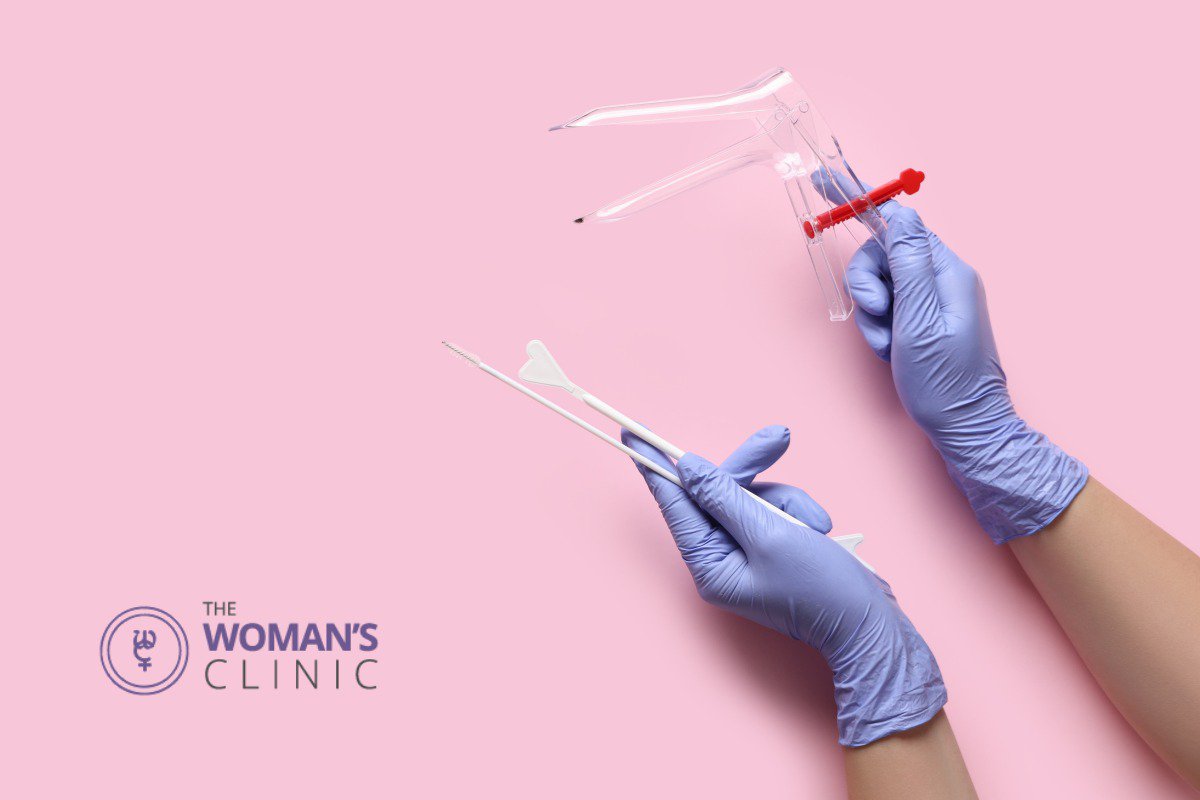
A colposcopy after abnormal results is a brief, in-office exam that allows your provider to closely examine cervical cells and determine whether further testing or treatment is needed. The procedure usually takes 10–20 minutes, causes mild discomfort at most, and is designed to protect your long-term health, not signal cancer.
Getting the call about abnormal Pap results can feel overwhelming. Your mind might race with questions and worries. If your doctor has recommended a colposcopy after abnormal results, you're probably feeling those things right now and are searching for answers. Take a deep breath. At The Woman's Clinic, we understand how unsettling this moment can be, and we're here to walk alongside you through every step of this process. You're not alone. This exam is designed to protect your health, not to frighten you.
Key Takeaways:
- A colposcopy examines the cervix using a magnifying lens to check for abnormal cells after a Pap or HPV test.
- It takes ten to twenty minutes and may include a biopsy if problem areas are seen; discomfort is mild.
- Biopsies help diagnose cell changes: CIN 1 (mild), CIN 2 (moderate), CIN 3 (severe), or CGIN (glandular changes).
- CIN 1 often goes away on its own; CIN 2 or 3 usually need treatment like LEEP, cryotherapy, or laser therapy.
- Avoid sex, tampons, or vaginal products for 48 hours before the exam; wear comfortable clothes and bring a pad.
- Recovery may include spotting and cramping; avoid tampons or sex for a week after a biopsy.
- HPV causes most abnormal cervical changes; a strong immune system helps manage it.
Understanding Colposcopy After Abnormal Results
A colposcopy after abnormal results from a Pap smear is a specialized examination that allows your doctor to take a closer look at your cervix using a bright magnifying instrument called a colposcope. When your Pap smear shows unusual cells, or you receive a positive HPV test result, a colposcopy helps identify precisely where abnormal cells are located, how significant the changes are, and whether treatment is necessary.
Think of it as a detailed follow-up to your Pap smear. While a Pap test collects cells for laboratory analysis, a colposcopy allows your doctor at The Woman's Clinic to examine your cervix directly with magnification. If suspicious areas are found, a small tissue sample (biopsy) can be taken during the same visit, giving us the most accurate information about your cervical health and preparing us to provide the best possible care.
| Test | Purpose | What it Examines | What It Can Detect |
|---|---|---|---|
| Pap Smear | Screening test | Collected cervical cells | Early cell changes or abnormalities |
| HPV Test | Risk assessment | Presence of high-risk HPV | Virus types linked to cervical cancer |
| Colposcopy | Diagnostic follow-up | Cervix viewed under magnification | Location and severity of abnormal cells |
| Biopsy (Only if necessary) | Confirmation | Small tissue sample | Exact diagnosis (CIN level or CGIN) |
How Should I Prepare for a Colposcopy After Abnormal Results?
Preparation supports your comfort and well-being. Taking a few simple steps ahead of time can help the exam go smoothly and ease anxiety before your appointment.
When Should a Colposcopy Be Scheduled and What Should I Avoid Before the Exam?
Schedule your colposcopy when you're not menstruating, as blood can interfere with the examination. For 48 hours before your appointment, avoid sexual intercourse, tampons, vaginal medications, or douches. These can affect the accuracy of the exam and any biopsies taken.
What Should I Bring to My Colposcopy Appointment?
Wear comfortable, loose-fitting clothing. Bring a pad or panty liner, as you may experience light spotting afterward, especially if a biopsy is performed. You're welcome to bring a trusted friend or family member for support. Make a list of your medications and any questions you want to ask.
Is It Normal to Feel Anxious Before a Colposcopy After Abnormal Results?
Feeling nervous is completely normal. Knowledge helps reduce anxiety, so understanding what will happen during your colposcopy after abnormal results can ease your mind. Consider taking an over-the-counter pain reliever like ibuprofen about an hour before your appointment to minimize cramping. Practice deep breathing exercises in the days leading up to your visit, and continue using these techniques during the exam.
What Happens During a Colposcopy After Abnormal Results?
A colposcopy after abnormal results typically takes ten to twenty minutes and is performed at The Woman's Clinic office. You'll lie back on an exam table with your feet in stirrups, similar to a Pap test. Your doctor will insert a speculum to hold the vaginal walls open so your cervix can be clearly seen.
How Does the Colposcopy Exam Work?
The colposcope stays outside your body and works like magnified binoculars with a bright light. You won't feel it at all. Your doctor will apply a vinegar-like solution or iodine to your cervix using a cotton swab. These solutions help abnormal cells stand out by temporarily changing their color. You might feel a slight stinging sensation that passes quickly.
Your doctor will carefully examine your cervix through the colposcope, looking for areas where cells appear abnormal. This observation is painless; you're simply lying still while your doctor views your cervix from different angles.
Will I Need a Biopsy During My Colposcopy?
If suspicious areas are identified, your doctor may take a biopsy, removing a tiny piece of tissue for laboratory analysis. While "biopsy" can sound scary, it actually means we're gathering precise information to guide your care.
Most women describe the biopsy sensation as a brief pinch or menstrual-like cramp lasting less than a minute. Your doctor may apply a numbing agent first to reduce discomfort. After the biopsy, a special solution may be used to stop bleeding, which can cause dark discharge in the following days. This is completely normal and does not require medical attention.
Understanding Colposcopy and Biopsy Results
If no biopsy was performed, your doctor might share findings immediately. When tissue samples are taken, results typically arrive within one to two weeks. Ask the team at The Woman's Clinic how and when you'll receive your results.
Biopsy results often use the CIN (Cervical Intraepithelial Neoplasia) system, which describes how much cervical cells have changed:
- CIN 1 (Mild): Mild cell changes that often resolve on their own as your immune system fights HPV. Watchful waiting with follow-up testing in six to twelve months is common.
- CIN 2 (Moderate): Moderate changes affecting more of the cervical tissue. Some cases resolve naturally, but many require treatment. Your doctor will discuss monitoring or treatment options based on your situation.
- CIN 3 (Severe): Severe changes requiring treatment to prevent progression to cancer. Treatment is highly effective when caught at this stage.
- CGIN: Changes in glandular cells lining the cervical canal, typically requiring treatment.
None of these findings means you have cancer. They represent precancerous changes that providers can monitor or treat to protect your health. This is why colposcopy after abnormal results is so valuable: it catches problems early when they're most treatable.
| Result | Meaning | Typical Next Step |
|---|---|---|
| CIN 1 (Mild) | Minor cell changes | Monitoring; repeat testing in 6–12 months |
| CIN 2 (Moderate) | More noticeable changes | Monitoring or treatment, based on individual factors |
| CIN 3 (Severe) | High-grade precancerous changes | Treatment recommended to prevent cancer |
| CGIN | Glandular cell changes | Treatment typically required |
What Are The Available Treatment Options for Cervical Changes?
Treatment depends on your results, age, and individual circumstances. Our expert providers at The Woman’s Clinic can offer a variety of strategies and procedures to protect your health and comfort.
For CIN 1, active surveillance is often recommended. Your immune system can frequently clear HPV infections and allow cervical cells to return to normal within one to two years. You'll return to The Woman's Clinic for regular monitoring with repeat Pap smears or colposcopy.
In some situations, a laparoscopic surgery or, rarely, a hysterectomy may be recommended. The team at The Woman's Clinic will thoroughly discuss whether these are appropriate for your situation and ensure you understand all alternatives.
What Are The Recovery and Follow-Up Care Recommendations?
Most women feel well after a colposcopy after abnormal results, especially without a biopsy. You might experience light spotting, mild cramping, or unusual discharge for a few days.

If You Had a Biopsy…
For about one week after your biopsy, it is recommended that you:
- Avoid tampons, menstrual cups, or douching
- Refrain from sexual intercourse
- Skip strenuous exercise or heavy lifting
- Avoid swimming or soaking in bathtubs
Over-the-counter pain relievers usually provide adequate relief for cramping. Dark discharge (brown, black, or yellow) is normal and comes from the bleeding-control solution.
Contact The Woman's Clinic immediately if you experience:
- Heavy bleeding (soaking through a pad in an hour)
- Fever over 100.4°F
- Severe pain not relieved by over-the-counter medication
- Foul-smelling discharge
- Persistent dizziness
The Importance of Follow-Up for Colposcopy After Abnormal Results
Your follow-up schedule depends on your results:
- Normal results: Return to routine screening every three to five years
- CIN 1: Follow-up in about twelve months
- CIN 2 or CIN 3: More frequent monitoring after treatment
Even if you feel fine, attending scheduled appointments is essential. Many cervical cell changes cause no symptoms.
Do Abnormal Colposcopy Results Mean Cancer?
No. Most abnormal colposcopy results represent precancerous changes—not cancer—and are highly treatable when caught early.
Understanding HPV and Your Cervical Health
HPV (human papillomavirus) causes most abnormal cervical cell changes. HPV is incredibly common; most sexually active people will contract at least one type during their lifetime. Only certain high-risk types cause cell changes that could lead to cervical cancer.
Having HPV doesn't mean you've done anything wrong. HPV can remain dormant for years, so a positive test might reflect an old infection. Most HPV infections clear within two years as your immune system fights the virus. When HPV persists, it can cause changes requiring monitoring or treatment.
While you can't directly control HPV, you can support your immune system:
- Quit smoking; it's one of the strongest risk factors for persistent HPV.
- Eat a balanced diet rich in fruits, vegetables, and whole grains.
- Get adequate sleep and manage stress.
- Stay current with cervical cancer screening.
Caring for Your Emotional Well-being After the Procedure
Receiving abnormal results and facing a colposcopy after abnormal results can trigger fear, anxiety, and uncertainty. These feelings are valid and normal. At The Woman's Clinic, we see women navigate this experience daily, and we understand how stressful it can be.
Never hesitate to ask questions or express concerns to our staff. We're here to listen, explain, and support you emotionally. Share what you're going through with trusted friends or family. Consider also reaching out to support organizations like the National Cervical Cancer Coalition or the American Cancer Society.
Practice self-care through activities that bring comfort, including walks, music, yoga, meditation, or hobbies that help you relax. Be gentle with yourself during this stressful time.
Moving Forward with Confidence
A colposcopy after abnormal results represents a proactive step toward protecting your health. While it's natural to feel anxious, remember that you're taking action, and that's powerful. Early detection and treatment of cervical cell changes prevent cervical cancer.
At The Woman's Clinic, we're committed to providing compassionate, expert care through every stage of your cervical health journey. Our experienced team understands what you're going through and will treat you with the respect, dignity, and kindness you deserve.
You don't have to face this alone. Whether you're preparing for your first colposcopy after abnormal results or navigating treatment and follow-up care, we're here to support you with medical excellence and genuine compassion. If you have questions about colposcopy, cervical health, or scheduling an appointment, reach out to The Woman's Clinic. Your health matters, your concerns matter, and you matter. Let us walk this path with you.
