
Bacterial vaginosis is widespread, but maintaining vaginal health is possible through straightforward daily habits. If recurring issues like burning, odor, or discharge bother you, there are solutions. Preventing BV begins with recognizing the small daily decisions that affect your body’s natural balance. Find out what steps you can take each day to stay healthy and avoid BV.
Key Takeaways:
- Wash the vulva daily with warm water; avoid douching and scented products.
- Wear breathable cotton underwear and avoid tight or synthetic clothing.
- Eat probiotic-rich foods (yogurt), greens, and garlic; avoid high-sugar diets.
- Take Lactobacillus probiotics (L. crispatus, L. rhamnosus, etc.) to support healthy flora.
- Boric acid suppositories may reduce recurrent BV (not safe during pregnancy).
- Pee after sex, wash gently, and use condoms to manage pH.
- Avoid smoking, stress, and multiple sex partners; all raise BV risk.
Effective Daily Habits for Preventing Bacterial Vaginosis
Daily care plays a big role in preventing bacterial vaginosis. Even small, consistent choices help. Many people forget that regular, gentle care is needed for vaginal health.
Consistency matters in feminine hygiene routines. Doing the same safe things each day helps maintain balance. Keep your approach simple. Wash with warm water and avoid scented soaps, sprays, and wipes. These can disturb the healthy bacteria that protect you.
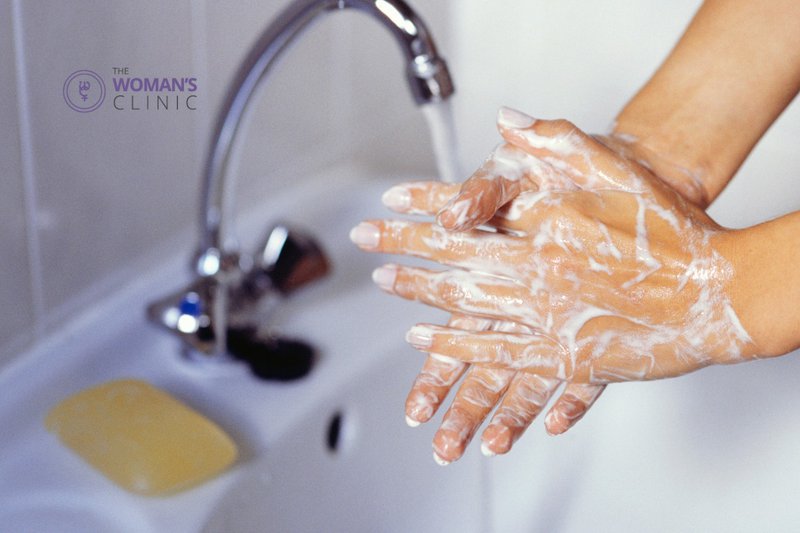
Make personal cleaning a part of your daily routine, but don’t overdo it. Once a day with plain water on the outside (never inside) is enough. Do not douche; this removes helpful bacteria your body needs.
Other daily habits that could help with preventing bacterial vaginosis are:
- Wear fresh cotton underwear daily. If you sweat or feel damp, change it.
- After exercise, wash and change clothes right away.
- Eat fruits, leafy greens, and yogurt with live cultures.
- Drink water to flush waste.
- Limit sugar, which feeds yeast and harmful bacteria.
- Go to the bathroom when needed. Wipe from front to back.
- Wear loose clothes often.
- Avoid all scented, internal products.
Some also choose probiotics to boost helpful bacteria, but make sure to always check with a doctor first. Small habits done daily create the foundation for preventing bacterial vaginosis long-term.
Underwear and Clothing Choice Impact Vaginal Health
Doctors often suggest cotton underwear because it helps with infections. Cotton allows airflow, helping to keep the skin dry. It doesn’t trap sweat, which prevents the buildup of bacteria that can lead to imbalance. Staying balanced keeps your vaginal environment healthy.
Cotton is also soft and doesn’t cause as much friction. It helps protect the skin and supports the good bacteria your body relies on. If you want a fabric that's gentle and effective, cotton is the top pick.
Underwear and Clothing to Avoid for Vaginal Health
Tight-fitting clothes can increase the likelihood of BV. They trap warmth and moisture close to the body. Wearing more breathable options like loose pants or skirts lets air circulate and limits sweat buildup. Swapping tighter clothes for looser ones during the week can help reduce discomfort or odor.
Additionally, you should avoid materials like nylon, lace, and satin. These fabrics hold on to moisture and don’t breathe well. They can cause friction and leave the skin more prone to irritation. Sore skin allows bacteria to grow more easily.
Look for underwear lined with full cotton. If it’s not fully cotton, make sure the fabric touching your skin is. Save dressier styles for occasional use. Day-to-day, soft breathable cotton works best, especially after workouts or swims when fast changes are needed.
Hygiene Practices for Preventing Bacterial Vaginosis
Gentle, consistent hygiene routines are key to preventing bacterial vaginosis from recurring.
After intercourse, use warm water and mild soap to cleanse only the outer area. Clean the vulva gently with a soft cloth. Skip heavy soaps and wipes, which can cause dryness or irritation. The vagina cleans itself; you just need to focus on the vulva.
Urinating after sex also helps flush out unwanted bacteria near the urethra. Afterward, gently pat dry with a clean towel or toilet paper.
Health professionals discourage douching because it removes the good bacteria that protect you. The body’s natural pH is kept in balance by helpful bacteria. Sprays, gels, and douches clear them away, allowing bad bacteria to thrive. While it may feel clean short-term, the effects often backfire. Experts widely recommend avoiding any internal product not prescribed.
The Role of Your Diet in Preventing Bacterial Vaginosis
Yogurt, garlic, and leafy greens help keep a healthy pH range.
Live cultures in unsweetened yogurt boost good bacteria. Greens like broccoli, kale, and spinach provide vitamins and fiber that help digestion and bacterial health. Garlic has strong natural effects against germs. Foods like berries and sweet potatoes aid overall balance and immune strength.
High sugar intake contributes to vaginal imbalances because too much sugar feeds harmful bacteria and yeast. When sugar levels rise, that affects vaginal pH. High-sugar foods such as soda, candy, and white bread allow yeast to thrive and make it harder for the body to stay balanced. Reducing sugar is one of the smartest changes to support vaginal wellness.
Vaginal Microbiome-Friendly Diet Plan
A strong approach for preventing bacterial vaginosis includes foods rich in probiotics, fiber, and low in sugar.
Have yogurt or kefir daily. Include whole grains, lean protein, fruits, and greens. Drink water instead of sweet drinks. Snack on nuts and seeds rather than candy or chips.
This approach supports both digestive and vaginal health.
Probiotics and Supplements to Help Vaginal Imbalance
Certain probiotic strains, especially Lactobacillus crispatus and L. rhamnosus, have been widely studied for their role in preventing bacterial vaginosis and reducing recurrences. These bacteria create lactic acid in the vagina, helping keep the pH low and stopping harmful organisms.
Check labels for specific strains and a count of at least 1 billion CFU. Some options are oral, while others are internal. Both may help protect against BV returning.
Certain supplements may also help maintain vaginal defenses. Vitamin D supports immune function. People low in it may experience recurring BV. Folate and zinc support the cells that keep bacteria in check.
Cranberry extract may improve urinary and vaginal health by preventing harmful bacteria from sticking. Garlic supplements may also help limit bacteria. These are part of the suggested supplements for those with frequent infections.
Some common natural remedies include:
- Yogurt with live cultures to support good bacteria
- Limiting sugar in your meals
- Boric acid suppositories after BV clears (ask your doctor first)
- Avoiding scented products or douching
- Gentle soap use only on the vulva
Adding daily probiotics and basic hygiene steps helps make these efforts more effective.
Safe Sexual Practices for Preventing Bacterial Vaginosis
Condoms help protect from BV by limiting contact with semen and germs.
Semen raises vaginal pH, allowing bad bacteria to grow. A condom prevents this shift and reduces exposure to new bacteria during sex. Condoms are valuable for reducing infection risks, including BV.
A partner may carry bacteria even without symptoms, impacting recurrence rates. Untreated, they could reintroduce that bacteria after your treatment ends. That’s why it helps for both partners to talk to a doctor if repeat infections happen.
Precautions couples can take to prevent reinfection include using condoms and talking openly with each other and a doctor. Testing and treating both partners may be needed. Avoid sex during treatment. Limit exposure to new sex partners. Consider shared wellness as a way to stop BV from returning.
Additionally, sex with multiple people can increase your risk. Keep toys and hands clean before contact. Don’t use anything that could damage or irritate the vaginal area. Preventing injury or bacterial spread helps preserve your body’s natural balance.
Lifestyle and Hormonal Factors that Increase BV Risk
Stress lowers your body's defense system. It can shift pH and reduce good bacteria. Hormone levels also affect that balance. Drops in estrogen (which occur during menstruation, menopause, or pregnancy) can allow harmful bacteria to grow.
Smoking and birth control can contribute to BV by changing your vaginal environment.
Smoking harms the cells that support good bacteria. Certain birth control types, like IUDs or injectable forms, may also affect your pH by altering hormones.
These choices may also lead to repeat BV:
- Wearing tight, non-breathable clothes
- Using scented wipes or soaps
- Having new or multiple sexual partners
- Not using protection
- Smoking or drinking heavily
- Poor diet and lack of sleep
Pay attention to habits, stress levels, and other patterns; these may give clues to prevention.
Your Partner’s Health Impacts Your Risk of Recurrence
Your male partner needs treatment to prevent bacterial vaginosis reinfection. If bacteria are shared, both you and your partner need to treat the issue.
Some men carry the bacteria that lead to BV but show no symptoms. If they aren’t treated, they can pass it back. That’s why shared treatment works better for recurring BV.
BV-causing bacteria can settle in skin folds near the penis or groin. When passed back to the woman during sex, BV may return.
Take these steps together to break the reinfection cycle:
- See a doctor as a team
- Ask about testing and treatment for both partners
- Delay sex until treatment ends
- Always use condoms when needed
- Clean the genital area with water only
Shared action can make future infections less likely.
Natural or Medical Treatments for Preventing Bacterial Vaginosis
Boric acid can be useful in some ongoing cases of BV. Doctors may recommend boric acid after standard treatments. It helps steady pH and may lower infection returns. These capsules go inside the vagina, not by mouth. Always consult a doctor first. Do not use when pregnant.
However, boric acid does not keep infections away for good. It supports prevention, but the condition can return.
Antibiotics treat active BV but may not stop it from coming back. Medications like metronidazole or clindamycin work short term. Some people repeat treatment over time. Long-term use may cause side effects or bacterial resistance.
Medical treatments that help prevent future BV include:
- Ongoing antibiotics, usually two times per week
- Hormone support during menopause
- Treating partners when needed
Natural Evidence-Based BV Prevention Solutions
Try combining:
- Probiotics with reliable strains
- Tea tree oil vaginal gel, tested on small areas first
- Hydrogen peroxide (low strength), used gently and carefully
These may support health when used alongside other care. Compare results honestly when choosing between natural and medical prevention.
Doctors usually blend natural remedies with medicines where needed for preventing bacterial vaginosis. Ask your provider which mix fits your health and history best.
| Key Prevention Area | Recommendation | Benefit |
|---|---|---|
| Hygiene | Wash vulva daily with warm water; avoid douching and scented products | Maintains healthy bacteria and prevents irritation |
| Clothing | Wear breathable cotton underwear; avoid tight or synthetic fabrics | Reduces trapped moisture and heat |
| Diet | Eat probiotic-rich foods, leafy greens, and garlic; limit high-sugar diets | Supports a stable vaginal microbiome and keeps pH balanced |
| Probiotics | Take Lactobacillus strains like L. crispatus and L. rhamnosus | Reintroduces protective bacteria that keep pH low and discourage BV recurrence |
| After-Sex Care | Pee after sex, wash gently, and use condoms to support pH | Flushes away bacteria and reduces pH shifts from semen |
| Lifestyle | Avoid smoking, manage stress, and limit number of sexual partners | Supports immune health and reduces factors that disrupt vaginal balance |
| Supplements | Consider boric acid for recurrent BV (not during pregnancy) | Helps stabilize vaginal pH and may reduce recurrence when used after medical treatment |
What To Do if BV Symptoms Return Frequently
An imbalanced bacterial mix is often the root cause of BV symptoms that keep returning. Good bacteria may drop after stress, sex, or harsh cleaning. Certain triggers differ for each person, so you should track what leads to your symptoms.
To help you stop repeated vaginal infections, use a reliable tracking method:
- Use a calendar or app
- Monitor symptoms
- Track routines and cycles (period dates)
- Note food and drink choices
- Document sexual activity
If BV returns, compare notes to find patterns. This helps you learn what habits may affect your recovery.
If your symptoms return more than three times in a year or don’t respond to treatment, it’s time to see your doctor. Symptoms that resist treatment may need longer care or testing for another issue.
If Nothing Seems to Help
If your BV is persistent, consider a longer treatment plan or mixed methods. Some respond better with extended care or by having their partner treated too. Remember, BV can come back from untreated partners, even if they show no signs.
Small daily steps are the strongest defense. From hygiene to food choices to consistent care, you can build lasting protection against BV. You deserve to feel at ease in your body, and with care, you can.
Personalized Care at The Woman’s Clinic
Preventing bacterial vaginosis is much easier with expert guidance. At The Woman’s Clinic, our providers offer compassionate, individualized care to help you understand your symptoms, reduce recurrences, and support long-term vaginal health. Whether you're dealing with repeat infections or simply want clearer guidance on daily prevention, we’ll create a plan that fits your needs and lifestyle.
If you’re ready to feel comfortable and balanced again, schedule an appointment today and get the trusted support you deserve from a team that listens and cares.
