
Managing menopause symptoms can feel overwhelming when hot flashes disrupt your day, sleepless nights leave you exhausted, and unexpected mood swings make you wonder if you'll ever feel like yourself again. Yet understanding effective strategies for managing menopause symptoms, recognizing when to seek medical care, and knowing your treatment options can transform this challenging phase into a manageable journey. Do you know which approaches work best for managing symptoms at-home, when hormone therapy becomes appropriate, and what steps can help you regain control over your daily life?
Key Takeaways: Essential Facts About Managing Menopause Symptoms
- Early identification helps: irregular periods, spotting, and flow changes often appear before classic symptoms, making early intervention possible
- Common symptoms are treatable: hot flashes, night sweats, mood changes, and sleep disruption respond well to targeted management strategies
- Trigger awareness matters: identifying heat, stress, spicy foods, alcohol, and caffeine triggers improves symptom control
- Natural methods: exercise, dietary changes, and stress reduction provide meaningful relief for menopause symptoms
- Medical options available: hormone therapy and non-hormonal medications offer effective solutions for severe symptoms
- Realistic timelines: symptoms typically last 4-10 years, with proper management making this transition more comfortable
- Professional care indicators: seek help when symptoms disrupt daily life, affect mental health, or include concerning changes
Early Recognition: The Foundation of Managing Menopause Symptoms
Successfully managing menopause symptoms begins with recognizing perimenopause, which often starts subtly with menstrual irregularities. Periods may arrive unpredictably, cycles become shorter or longer, and flow patterns shift dramatically. These changes can occur years before hot flashes emerge, providing an opportunity for proactive symptom management.
Research indicates women experience perimenopausal symptoms for an average of 7 years before their final period. Early recognition allows for timely intervention, making managing these symptoms more effective throughout the transition.
Quick reference: when menstrual changes signal perimenopause
| Change Type | What to Watch For | Action Needed |
|---|---|---|
| Cycle timing | Periods <21 days or >35 days apart consistently | Discuss with provider if lasting >3 months |
| Flow intensity | Significantly heavier or lighter bleeding patterns | Seek evaluation for heavy bleeding affecting activities |
| Between-cycle bleeding | Spotting outside normal cycle timing | Rule out other causes with medical evaluation |
| Unpredictable patterns | Periods arriving weeks early/late or skipping entirely | Consider professional guidance for management strategies |
Proven Strategies for Managing Symptoms At Home with The Help of Your Practitioner
Lifestyle Modifications That Work
Physical activity ranks among the most effective methods for managing symptoms. Regular exercise reduces hot flash frequency, improves sleep quality, stabilizes mood, and helps maintain a healthy weight during hormonal changes. Even 30 minutes of daily movement—walking, swimming, or yoga—provides significant benefits.
Dietary approaches for menopause symptoms include increasing phytoestrogen-rich foods like soy products, which contain compounds that mimic weak estrogen activity. Ground flaxseed (1-2 tablespoons daily) may reduce hot flash frequency, though individual responses vary significantly.
Stress management plays a crucial role in managing symptoms of menopause effectively. Mindfulness meditation, deep breathing exercises, and yoga demonstrate consistent benefits in clinical studies, reducing both symptom severity and emotional distress during the transition.
Environmental Controls for Immediate Relief
Managing menopause symptoms often requires practical environmental adjustments:
- Temperature management: Keep living and sleeping spaces cool (65-68°F), use fans strategically, and dress in removable layers
- Sleep optimization: Create dark, quiet bedrooms with moisture-wicking bedding and keep extra nightwear accessible
- Trigger avoidance: Identify and minimize exposure to personal hot flash triggers like spicy foods, alcohol, and excessive heat
Medical Approaches to Managing Menopause Symptoms
Hormone Therapy: Gold Standard Treatment
Hormone therapy remains the most effective medical approach for managing symptoms, particularly moderate to severe hot flashes and night sweats. Current evidence supports hormone therapy safety for healthy women under 60 or within 10 years of menopause onset.
Treatment options include:
- Estrogen-only therapy for women after hysterectomy
- Combined estrogen-progestin therapy for women with intact uterus
- Multiple delivery methods: pills, patches, gels, and pellets
Transdermal preparations (patches, gels) may offer advantages for managing symptoms by reducing blood clot risk while maintaining symptom relief effectiveness.
Non-Hormonal Medications
For women who cannot use hormone therapy, several FDA-approved options help with managing symptoms:
Antidepressants (SSRIs and SNRIs) reduce hot flashes by 50-60% while addressing mood symptoms simultaneously. Gabapentin effectively manages hot flashes and improves sleep quality. Clonidine can reduce hot flash frequency, though side effects may limit tolerance.
Addressing Mood, Memory, and Sleep in Managing Menopause Symptoms
Successfully managing symptoms requires addressing cognitive and emotional changes alongside physical symptoms. Declining estrogen affects brain chemistry regulating mood, memory, and sleep patterns.
Sleep strategies essential for managing symptoms include:
- Maintaining consistent sleep schedules regardless of weekend plans
- Creating optimal sleep environments with appropriate temperature and darkness
- Limiting evening fluid intake and avoiding stimulants before bedtime
- Incorporating regular daytime exercise while avoiding vigorous activity near bedtime
Cognitive support helps with memory concerns during menopause, including mental exercises, consistent routines, and stress reduction techniques that support overall brain health.
When Professional Care Can Help
Effective management of menopause symptoms often benefits from professional medical guidance, particularly when symptoms significantly impact daily functioning.
Seek professional care when:
- Hot flashes or night sweats disrupt sleep most nights
- Mood changes affect work performance or relationships
- Any bleeding occurs after 12+ months without periods
- Symptoms don't respond to reasonable self-care attempts
- Quality of life significantly deteriorates
Preparing for appointments improves outcomes when managing these symptoms. Track symptoms for 2-3 weeks, noting frequency, triggers, and daily life impact. Bring current medications and specific questions about treatment preferences.
Evidence-Based Supplements for Menopause Symptoms
While research varies in quality, certain supplements show promise for managing symptoms:
Black cohosh demonstrates benefit for hot flash reduction in multiple clinical trials, though product quality varies among manufacturers. Red clover isoflavones may provide mild symptom relief for some women. Evening primrose oil shows mixed results, but some women report benefit.
Always consult healthcare providers before starting supplements, as they can interact with medications and aren't regulated like prescription drugs.
Creating Your Personal Plan for Managing Menopause Symptoms
A Three-Step Approach
- Assessment phase: Document symptoms for 2-3 weeks, identifying patterns, triggers, and impacts on daily activities
- Strategy selection: Choose initial approaches based on symptom severity, personal preferences, and medical history
- Professional consultation: Discuss findings with knowledgeable providers to optimize your approach to managing menopause symptoms
Monitoring Progress
Successful managing menopause symptoms requires ongoing evaluation and adjustment. Keep simple logs of interventions tried, their effectiveness, and any side effects experienced. This information helps refine approaches and guides conversations with healthcare providers.
Frequently Asked Questions About Managing Menopause Symptoms
How long will I need to focus on managing menopause symptoms? Most women benefit from active symptom management for 4-10 years, with hot flashes typically peaking in the first 1-2 years after final menstruation and gradually diminishing thereafter.
Can natural methods alone be effective for managing menopause symptoms? Natural approaches work well for mild to moderate symptoms and provide valuable support for overall well-being. However, severe symptoms often require medical management for optimal relief and maintained quality of life. What is needed to manage your symptoms or correct imbalances cannot be known without proper testing and hormone evaluation. Contact your provider for a hormone optimization appointment to discover what your body truly needs to feel like your best self again.
What's the most important factor in successfully managing menopause symptoms? Early recognition combined with proactive intervention provides the best outcomes. Don't wait until symptoms become severe before seeking help with managing menopause symptoms.
Expert Support for Managing Menopause Symptoms at The Woman's Clinic
Successfully managing menopause symptoms doesn't require navigating this transition alone. The Woman's Clinic in Little Rock specializes in comprehensive menopause care, offering personalized approaches to managing menopause symptoms that honor individual experiences while providing evidence-based treatment options.
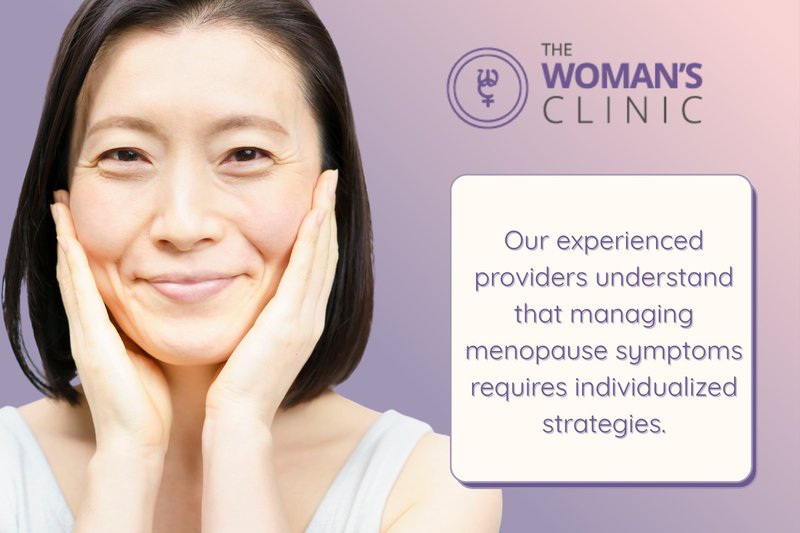
Our experienced providers understand that managing menopause symptoms requires individualized strategies combining lifestyle modifications, at-home approaches, and medical treatments when appropriate. We work collaboratively with each woman to develop effective plans for managing menopause symptoms that align with personal health goals and treatment preferences.
If managing menopause symptoms has become challenging or overwhelming, The Woman's Clinic welcomes the opportunity to provide expert, compassionate care that helps you feel more like yourself again throughout this important life transition.
