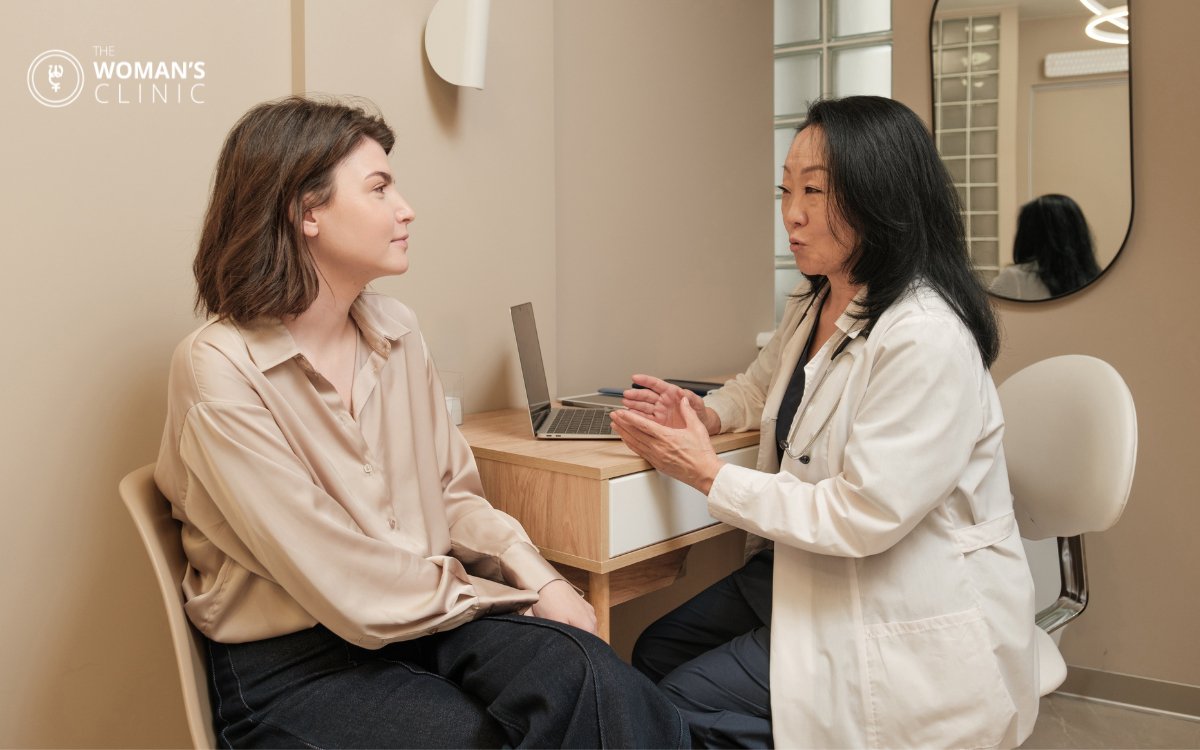
Many people wonder, “Can HPV go away on its own?” While it can, this does not mean it always will. Your immune system plays a major role in whether HPV simply goes away or sticks around. Most women clear it naturally, but some types stay longer and may cause more issues. If you’re concerned or unsure, understanding the facts about HPV can give you confidence in managing your health.
Key Takeaways:
- About 90% of HPV cases go away on their own within 1 to 2 years.
- A strong immune system helps remove HPV more quickly.
- Smoking, stress, poor diet, and low immunity can slow clearance.
- Both men and women can clear HPV; clearance depends on age and immune strength.
- HPV can spread even without symptoms and after visible signs are gone.
- There is no cure for HPV; vaccines prevent future infections but not current ones.
- Regular screenings (Pap/HPV tests) help with early detection and safety.
Factors that Determine Whether HPV Goes or Stays
Most people with HPV never need medical treatment because their body removes the virus. Approximately nine out of ten cases are resolved within two years.
The immune system leads this fight. A strong immune system helps the body remove HPV through immune cells finding and getting rid of the virus before it can cause damage. Many cases resolve before the person even realizes they were infected.
Not everyone clears the virus, though. Weaker immune systems, whether from illness, stress, or certain medications, make it harder to fight off HPV. In these cases, the virus may last longer and cause changes in tissue.
The specific strain of HPV matters, too. Types 6 and 11 cause warts but are low-risk and usually clear quickly. High-risk types like 16 and 18 are more difficult to remove and may lead to serious complications if they stay in the body.
People with strong immune systems, low-risk strains, and healthy habits are most likely to clear the virus.
Even if symptoms vanish, HPV can still stay in the body. A lack of signs doesn’t always mean the infection is gone. Only effective screening and vaccination protect your long-term well-being.
| Category | Encourages HPV to Clear Faster | Discourages HPV from Clearing |
|---|---|---|
| Immune System | Strong immunity, overall good health | Weak immunity, chronic illness, medications that suppress the immune system |
| HPV Type | Low-risk types (like 6 and 11) often clear quickly | High-risk types (like 16 and 18) may persist longer |
| Age | Younger individuals often clear HPV faster | Clearance may slow with age |
| Lifestyle Habits | Healthy diet, rest, exercise | Smoking, high stress, poor nutrition |
| Sexual Exposure | Limited exposure to new partners | Multiple partners increase reinfection risk |
| Vaccination Status | Vaccination helps prevent new infections | Unvaccinated individuals have more exposure risk |
Discovering You Have HPV and Medical Responses
Anyone who is sexually active can get HPV. It spreads through skin contact, not just intercourse. Once inside the body, the virus can stay inactive without causing signs.
If you’ve just learned you have HPV, the first step is finding out which kind and monitoring early signs.
Regular screening finds problems early. Pap tests look for abnormal cells in the cervix, which can be removed before they become serious. This makes regular exams important even if you're symptom-free.
While no antiviral treatment eliminates HPV itself, doctors can treat the symptoms it causes, like warts or abnormal cervical cells. For most infections, supportive care (such as healthy lifestyle habits) helps the immune system do the work.
So, My HPV Test Came Back Positive — Now What?
The first step is understanding what your doctor looks for and what happens next. A positive HPV test does not necessarily mean something is wrong; it simply indicates that the virus is present, and your provider will follow up to determine the type of virus and whether any cell changes have occurred.
Your physician will review your HPV strain, your age, and your previous screening history to determine your next steps. Often, the plan is simply to monitor. Many women—especially those under 30—clear HPV on their own as their immune system removes the virus over time. If your HPV strain is low-risk and your Pap test shows normal cervical cells, your provider may recommend a repeat screening in one year to see if the virus has resolved naturally.
If your Pap test shows abnormal cells or if you tested positive for a high-risk strain like HPV 16 or 18, the next step is usually a colposcopy. This in-office exam allows your provider to look closely at the cervix and take small samples if needed. For many women, the colposcopy shows no concerning changes at all, which means close monitoring is enough and no treatment is required. In these cases, your body is likely already on track to clear the virus, and your physician will guide you on when to return for your next follow-up test.
If the colposcopy does show changes, your provider will determine how mild or significant they are. Mild changes often go away on their own and may only need repeat testing. More pronounced changes might require small procedures to remove or treat the affected cells before they become something more serious. These treatments are straightforward, effective, and designed to protect your long-term health.
In some cases, HPV can lead to visible symptoms like genital warts. These may appear and disappear over time, even without treatment. Your provider can treat them if they are painful or bothersome, but treatment does not eliminate the virus itself—it simply manages the symptoms.
Every positive HPV result is handled differently, depending on your age, the HPV strain, your Pap results, and how your immune system is likely to respond.
The most important thing to remember is this: a positive HPV test is manageable, and you are not alone. With regular screenings, clear guidance, and the expertise of The Woman’s Clinic by your side, you’ll know exactly what’s happening in your body and what to expect every step of the way.
For Those Asking, “How Can HPV Go Away Without Treatment?”
Most people’s immune systems can clear HPV without medication. Roughly 90% of HPV cases resolve within two years. This means that the body typically removes the virus most of the time, often without any noticeable symptoms. Many never know they were infected to begin with.
Immune cells detect and attack the virus as soon as it shows up. They stop it from spreading and help the body recover by replacing infected cells.
However, immune systems vary. Some people can’t fight off HPV as quickly. These include folks with HIV or people taking drugs that weaken the immune system. They might carry the virus for several years. In these cases, the infection could lead to warts or cancer.
There are more than 100 types of HPV. Most cause no harm. Low-risk types may cause warts, while high-risk ones like types 16 and 18 can lead to chronic problems or cancer. These may stay silent in the body, even without visible symptoms.
People can still transmit HPV even if they feel fine. That’s why using protection and getting vaccinated are useful steps for reducing the risk to others. This is also why regular checkups and Pap tests are important, especially for women between the ages of 21 and 65.
Healthy lifestyle habits make a difference. Eating well, resting, avoiding stress, and staying tobacco-free help the body fight HPV naturally.

Increasing the Chances of HPV Clearing on Its Own
The HPV type influences whether HPV goes away. Low-risk types usually disappear quickly. High-risk versions, including types 16 and 18, tend to stay longer. These high-risk strains can lead to cancer. They are more difficult for the body to eliminate.
Age is another factor in whether HPV clears on its own. Most people in their 20s recover faster. Younger immune systems tend to work more efficiently.
Daily Habits and Their Impact on HPV Clearance
Lifestyle plays a big part in HPV clearance. A few things that can help include:
- Eating a balanced diet
- Getting enough sleep
- Avoiding smoking
- Avoiding overworking or harming the body
People living with HIV or chronic illness often take longer to recover.
More sexual partners increase exposure risk. Even a single partner can pass on HPV. Be particularly careful, as the virus spreads through skin, not just through intercourse. That means even condoms don't fully prevent it.
Preventing HPV
Vaccination works well for prevention against HPV. It guards against many common types. It works best when given before someone becomes sexually active.
A big part of preventing HPV also comes down to everyday choices around sexual health. Practicing safer sex, using condoms or dental dams, and limiting the number of sexual partners can lower exposure risk, even though no method offers full protection. Being open and honest with partners about STI history, symptoms, and testing builds trust and helps everyone make informed decisions. Caring for your vaginal health also matters; staying hydrated, choosing pH-balanced products, and treating infections promptly keep the vaginal environment strong and more resilient. While HPV is common and often unavoidable, thoughtful habits and healthy communication can reduce your risk and support long-term wellness.
If someone already has HPV, the vaccine doesn't remove it. However, it may still stop other strains from causing future problems.
Natural Ways You Can Help HPV Go Away Faster
While most HPV cases clear on their own, certain choices may support the body’s immune response. For those asking, “Can HPV go away more quickly?” some of these everyday choices offer real possibilities.
Nutrition can make a difference. Fruits and leafy greens supply the body with vital nutrients. Vitamin C (from oranges and peppers), antioxidants (from carrots and spinach), and other whole foods help healing.
Supplements are also a consideration. Folate, B12, and vitamin E may support healthy cells. Zinc is another useful one for the immune system. Garlic extract shows promise in small studies, though more research is needed. Always speak with a doctor before starting new supplements.
Additional ways to make it easier for HPV to clear include:
- Adults should get at least 7 to 9 hours each night. Less sleep slows the immune response.
- Moderate exercise such as walking, biking, or dancing improves circulation and energy levels.
- Calming activities like deep breathing, sketching, or gentle stretching help reduce stress.
- Avoid smoking. Smoking is linked to HPV-related problems, especially in people with a cervix.
- Reducing or avoiding alcohol helps the body function better.
HPV is common. At some point, most people will face it. Healthy choices make a real difference when it comes to helping your body through it.
Knowing When HPV is Gone
A positive HPV result can turn negative. This shows the immune system successfully removed the virus.
A normal Pap test does not always mean HPV is gone. Pap tests spot abnormal cell changes, not the virus itself. This means you can still have HPV with a normal Pap result. Staying current on both HPV and Pap tests gives the clearest picture.
To confirm that the virus is gone, doctors may repeat tests after a year. If results are still positive, more detailed testing, like a colposcopy, may follow.
There's no whole-body test for HPV. Standard tests only check the cervix. However, if follow-up results are clear, most doctors consider the virus inactive or gone.
Even if there are no signs, HPV could still spread. It's a good idea to ask your doctor how long to wait before having sex again. Getting clarity about HPV takes time. Ongoing exams give the best insight. Always share new questions with your doctor and stay on top of any testing schedule.
Take Control of Your Health with The Woman’s Clinic
At The Woman’s Clinic, our board-certified physicians have provided compassionate, expert care in obstetrics, gynecology, and hormonal health. We’re here to help you understand your HPV diagnosis, get clear information about which strain you have, and monitor what’s happening in your body. Whether you need routine screenings, HPV vaccination guidance, or follow-up testing, our team will support you in a private, caring, and judgment‑free environment. Schedule an appointment today or learn more about us online to take your next step toward peace of mind and long-term health.
